Memorial Gardens
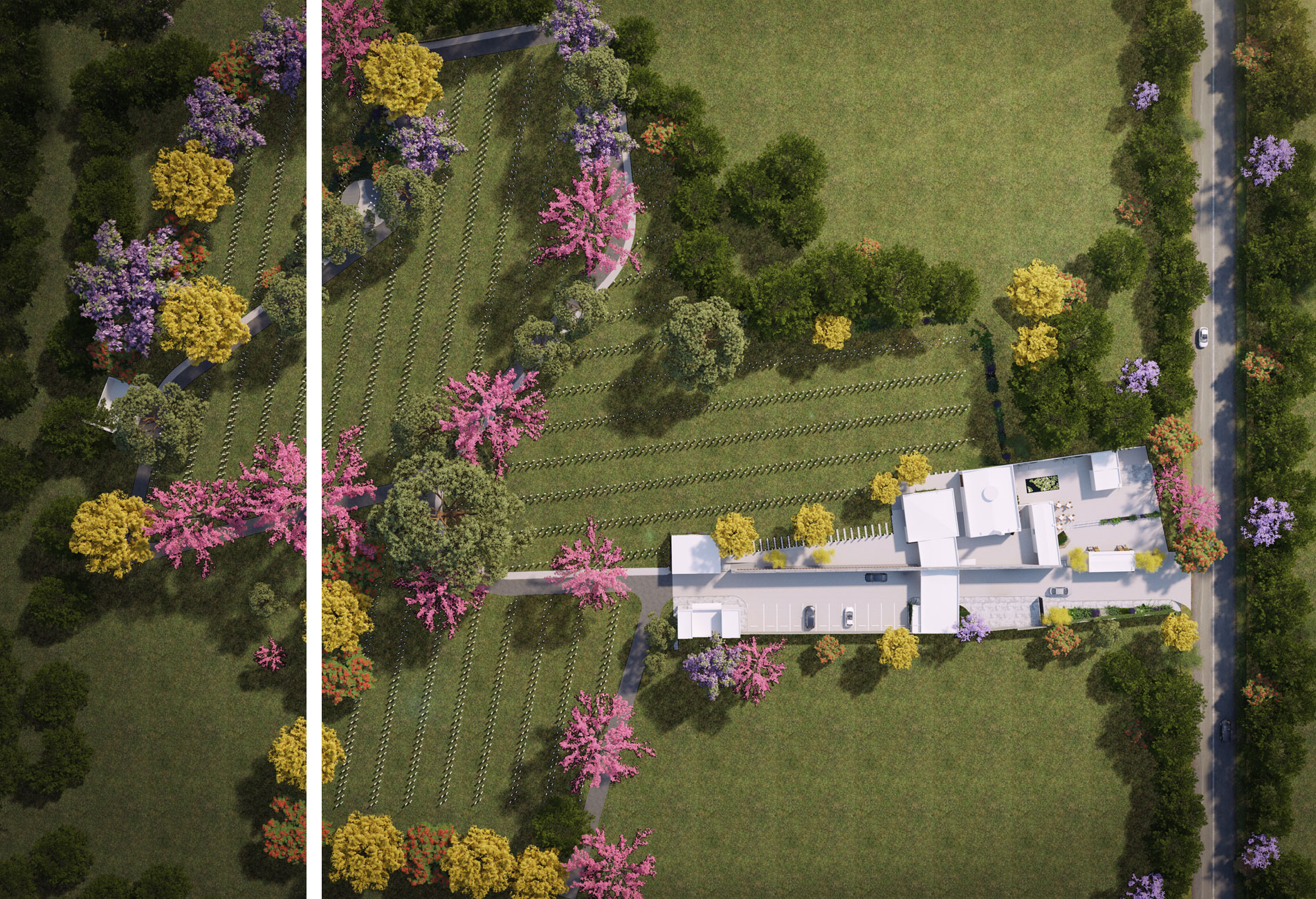
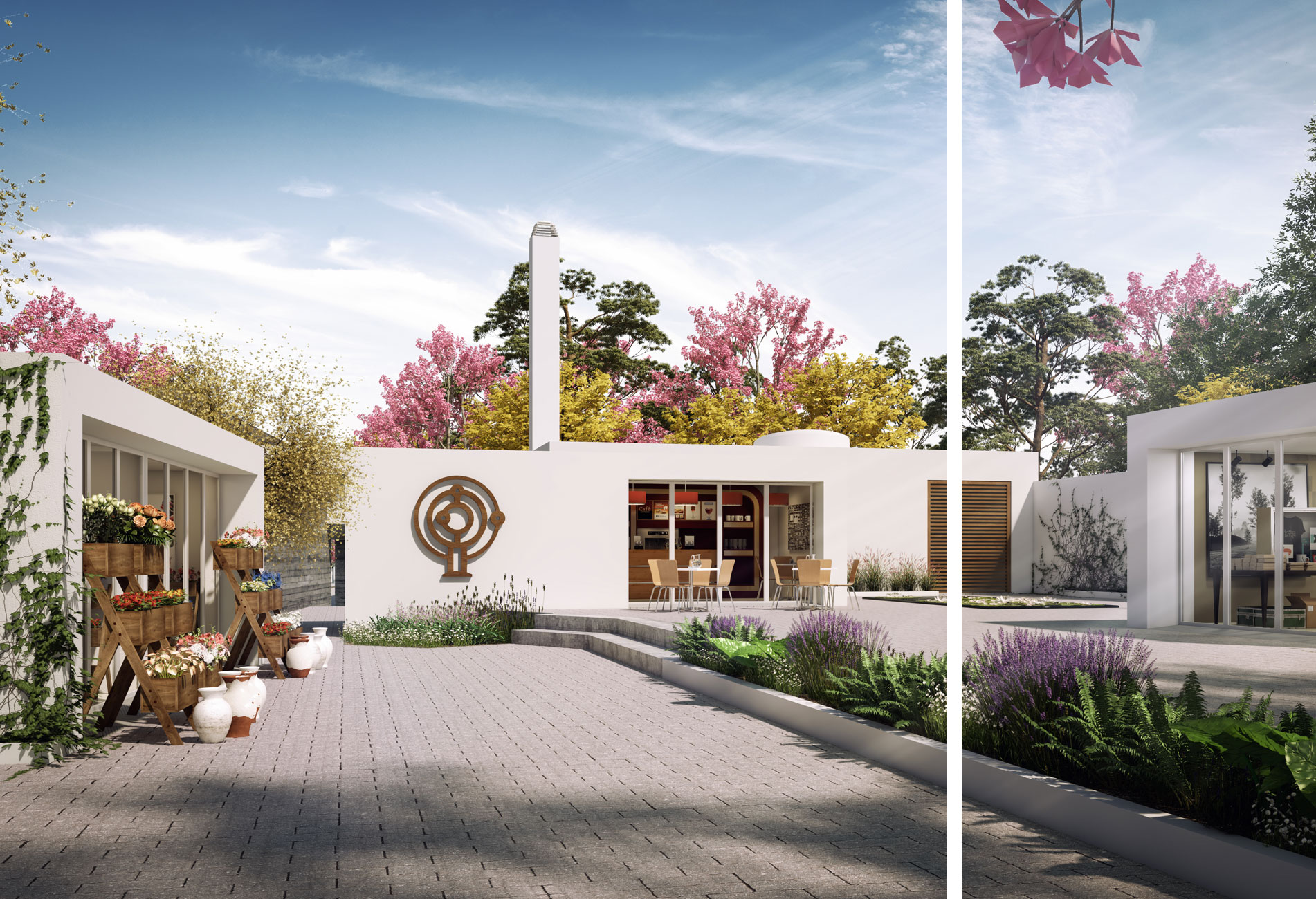
Memorial Gardens is a high-end funerary development located in Palmares, Costa Rica, conceived as an integrated space for cemetery services, cremation, chapel facilities, and catering for funeral ceremonies—designed to deliver a carefully curated, sober, and contemporary experience. The project’s architecture was led by Gensler, while S3 Ingenieros was responsible for the civil, structural, and electromechanical (MEP) design, as well as comprehensive permitting management, ensuring the architectural vision was realized with technical rigor, regulatory compliance, and constructability.
High technical and regulatory demands within a sensitive, premium project
The development of Memorial Gardens presented complex challenges:
A diverse functional program (cemetery, cremation, chapel, service areas, and catering) with very different technical requirements.
High expectations from a discerning audience, demanding spatial quality, comfort, discretion, and operational excellence.
A stringent regulatory framework, particularly in sanitary, environmental, and permitting matters.
The need to translate a world-class architectural design into technically viable and locally approvable solutions.
Without integrated and well-coordinated engineering, the project risked delays, rework, or compromising its quality standards.
From an aspirational architectural vision to an executable technical solution
S3 acted as the technical bridge between design intent and local regulatory and construction realities, enabling:
Early alignment between architecture, engineering, and regulatory requirements.
Resolution of technical conflicts prior to construction.
Assurance that every system responded not only to functional needs, but also to the emotional and experiential quality of the space.
This approach transformed the project into a cohesive, integrated solution—ready for execution without friction.
Integrated engineering and permitting management
S3’s scope included:
Civil Engineering
Site design, access roads, internal circulation, and stormwater management.
Integration of the project with its surrounding context and topography.
Structural Engineering
Structural systems aligned with the architectural language and durability and safety requirements.
Structural optimization for construction efficiency.
Electromechanical Design (MEP)
Electrical systems, lighting, HVAC, and ventilation.
Infrastructure for cremation facilities, chapel spaces, and service areas.
Focus on operational reliability, comfort, and regulatory compliance.
Permitting & Regulatory Management
Coordination and management of permits with the relevant authorities.
Assurance of technical, sanitary, and environmental compliance.